Microplastics: The Invisible Threat Surrounding Us (and What to Do About It)
Fecha: 21/05/2025
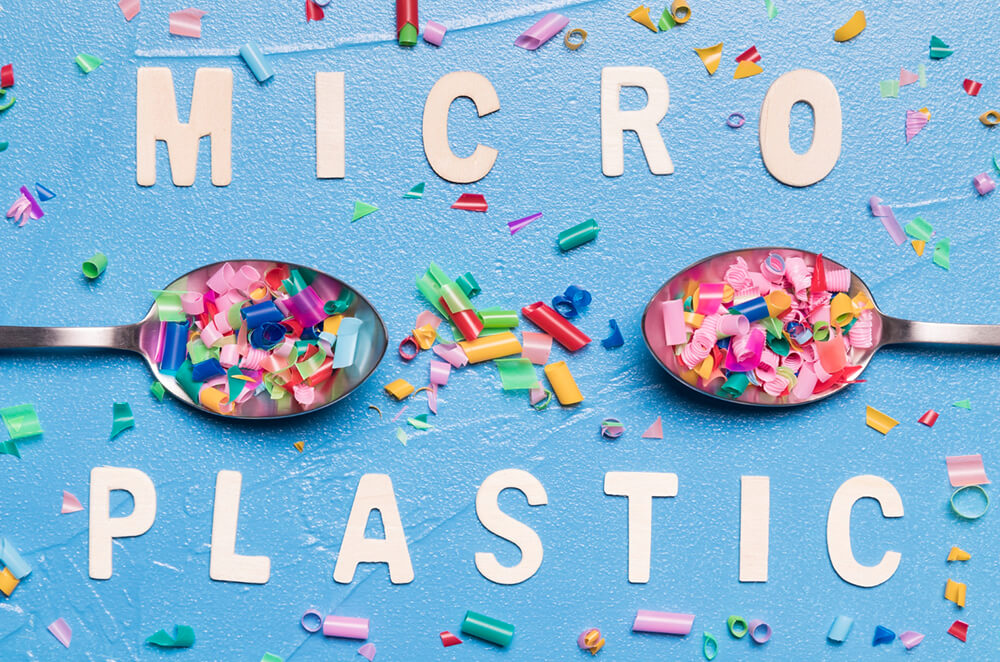
Microplastics, those tiny plastic fragments of less than 5 millimeters, have become a ubiquitous reality on our planet, from the peaks of Everest to the ocean depths. Most alarmingly, they have already infiltrated our own bodies, being ingested and breathed in on a daily basis.
Why worry? The impact on our health
These microscopic invaders enter us mainly through ingestion (bottled water, seafood, salt, fruits and vegetables) and inhalation (present in indoor and outdoor air). It is estimated that a person could ingest the equivalent of one credit card (5 grams) of microplastics per week.
Although research is still “limited” and “insufficient” for definitive conclusions, preliminary studies are worrisome. Microplastics have been detected in lungs, liver, kidneys, blood and, alarmingly, in the human placenta. Possible effects include inflammation, cell damage, hormone disruption (from chemicals such as BPA and phthalates), a possible increased risk of cancer, impact on fertility and accelerated aging. A recent study has even correlated its presence in blood vessels with an increased risk of heart attack. The World Health Organization (WHO), while cautious, urges further research and preventive measures.
Personal actions: minimize your exposure
Since exposure is almost inevitable, the goal is to minimize it:
- Water: opt for filtered tap water (reverse osmosis systems) instead of bottled water, which tends to have more microplastics.
- Food: Prioritize fresh and bulk foods. Use glass or stainless steel containers for food storage and replace plastic cutting boards with wood and non-stick pans with stainless steel or cast iron.
- Clothing: Choose clothes made of natural fibers (cotton, linen, wool) and wash synthetic clothes less often, air-drying them to reduce the release of microfibers.
- Personal care and cleaning: Avoid products with microbeads. Check ingredients and look for terms such as Polyethylene (PE), Polypropylene (PP), Polymethyl methacrylate (PMMA), Polyethylene glycol (PEG), Polyethylene terephthalate (PET), Nylon, Acrylates copolymer, Dimethicone, Methicone, or “microbeads”.
- Household: Ventilate and clean regularly to reduce dust with microplastics. Avoid breaking plastics and do not dispose of them down the drain.
Collective solutions: a plastic-free future
The size of the problem demands a global effort. The UN is negotiating a Global Plastics Treaty, expected to be ready by the end of 2024, which will address the entire life cycle of plastics.1
Governments are implementing policies such as a ban on single-use plastics (bags, microbeads) and Extended Producer Responsibility (EPR), which holds manufacturers responsible for the life cycle of their products. India, for example, already uses recycled plastic in road construction.
The magnitude of the problem demands a global effort. The UN is negotiating a Global Plastics Treaty, expected to be ready by the end of 2024, which will address the entire life cycle of plastics.1
Governments are implementing policies such as a ban on single-use plastics (bags, microbeads) and Extended Producer Responsibility (EPR), which holds manufacturers responsible for the life cycle of their products. India, for example, already uses recycled plastic in road construction.
A call to conscious action
La presencia de microplásticos es una amenaza real. La solución requiere un compromiso global: nuestras acciones individuales conscientes, unidas a políticas gubernamentales ambiciosas, inversión en innovación tecnológica y una fuerte colaboración mundial. Transformemos la preocupación en acción para construir un futuro más sano y sostenible.
SOURCES: