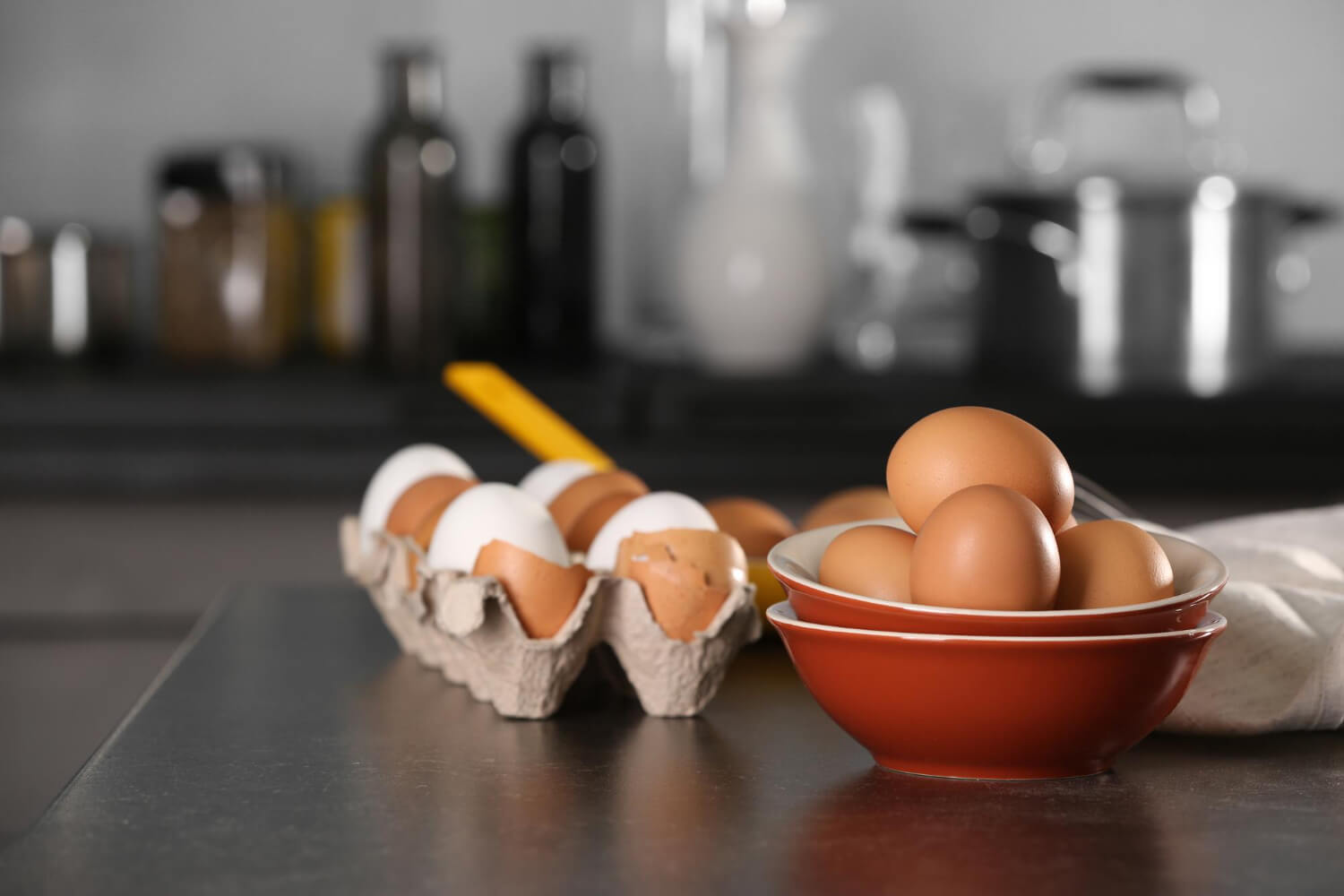
8 fascinating facts about eggs, one of the most nutritious foods in the world
Fecha: 25/02/2026
One of life's true miracles, the humble egg is one of the most versatile foods on the planet.
It forms 24 to 26 hours, and hens can lay up to 250 eggs per year.
The incredible egg is pure protein, and there are many methods (both sweet and savory) for preparing this natural nutritional powerhouse.
Eggs can be added raw to smoothies, fried, boiled, scrambled, or poached, and can be eaten for breakfast, lunch, snacks, and dinner.
They can be bought anywhere, last for several weeks, are inexpensive, and can work magic in baked goods.
We all know how easily they can be turned into a meal, but there is also much more to eggs than meets the eye.
Here is everything you need to know about the powerful egg:
- Eggs are historic.
Humans have been eating eggs since the dawn of humanity.
The ancient Romans ate turkey eggs, and it is said that the Chinese were interested in pigeon eggs.
When most of us think of eggs, we usually think of chicken eggs. However, quail, duck, goose, and turkey eggs are also consumed.
Ostrich and emu eggs are the largest edible eggs, weighing 1-2 kg.
Then there are also fish eggs such as caviar and hilsa, a delicacy packed with essential nutrients.
- Eggs = a nutritional powerhouse
Eggs are considered one of the most nutritious foods on the planet.
They are a natural source of inexpensive, high-quality protein: more than half of the protein is found in the white, which also has vitamin B2 and lower amounts of fat than the yolk.
The protein in eggs helps lower blood pressure, improve bone health, and increase muscle mass.
Eggs are also a rich source of selenium, an antioxidant that is important for thyroid function, our immune system, and mental health, along with vitamins D, B6, B12, zinc, and iron.
They are a reliable source of antioxidants and may also help reduce the likelihood of macular degeneration and cataracts.
- They used to have a bad reputation.
For many years, eggs were considered unhealthy due to their high cholesterol levels.
In fact, limiting egg consumption was recommended.
But this information originated from what are now considered incorrect conclusions from a study that proved that dietary cholesterol contributed to increased blood cholesterol.
Many people believe that cholesterol is harmful, but the truth is that it is essential for our bodies to function properly.
So, despite what you may have heard, there is no recommendation to limit the number of eggs you can eat.
- They were always symbolic.
In many cultures around the world, eggs are synonymous with new life, fertility, and rebirth.
They have symbolized new life since the dawn of humanity, long before Christianity.
In fact, a Roman proverb said that all life comes from an egg.
- No, eggs are not menstruation from hens.
You may have heard the rumor that eating eggs is like eating a chicken's period.
But since chickens are not mammals, they do not have a uterus, and therefore the egg is classified as both: egg and uterus.
So, it is different from the human reproductive system.
The eggs that chickens lay daily and are sold commercially have not been fertilized.
If they have been given the right nutrients, hens will lay eggs regardless of whether they have been in the presence of a rooster.
In fact, the only thing a hen needs to lay an egg is light.
- COVID increased demand
Egg sales skyrocketed during the pandemic, which in turn has led to a significant increase in the cost of eggs.
Demand for eggs has historically been high during tough economic periods, possibly since they are an inexpensive source of protein and other nutrients and are also an extremely versatile ingredient.
And with more time at home, the current pandemic has led to more families cooking from scratch, baking, and eating at home, thus using more eggs.
- Multiple uses
Eggs are not just for eating. They have many more uses both in and around the home and garden, as well as being excellent in homemade beauty products.
Eggs can be a great homemade glue, they can be used to clean leather, and they can even work as plant food.
The shell is also a surprisingly useful resource and a vital and important part of this wonderful nutrient-packed food.
Some of the many uses for eggshells include using them to make compost, as a drain cleaner, or to control pests in the garden.
And the membrane of the eggshell can even be used as a makeshift bandage for cuts or scrapes—just be sure to clean it thoroughly first.
- Battery cages are banned in the European Union.
More than 90% of eggs produced in the United Kingdom carry the lion mark.
This guarantees that the hens and eggs are British, that the hens have been vaccinated against salmonella, and that they have been raised according to the standards required by law.
In the European Union, battery cages have been banned.
In the United Kingdom, they have been replaced by larger cages, which allow hens to express more of their natural behaviors, such as perching, dust bathing, and nesting.
SOURCE BBC News